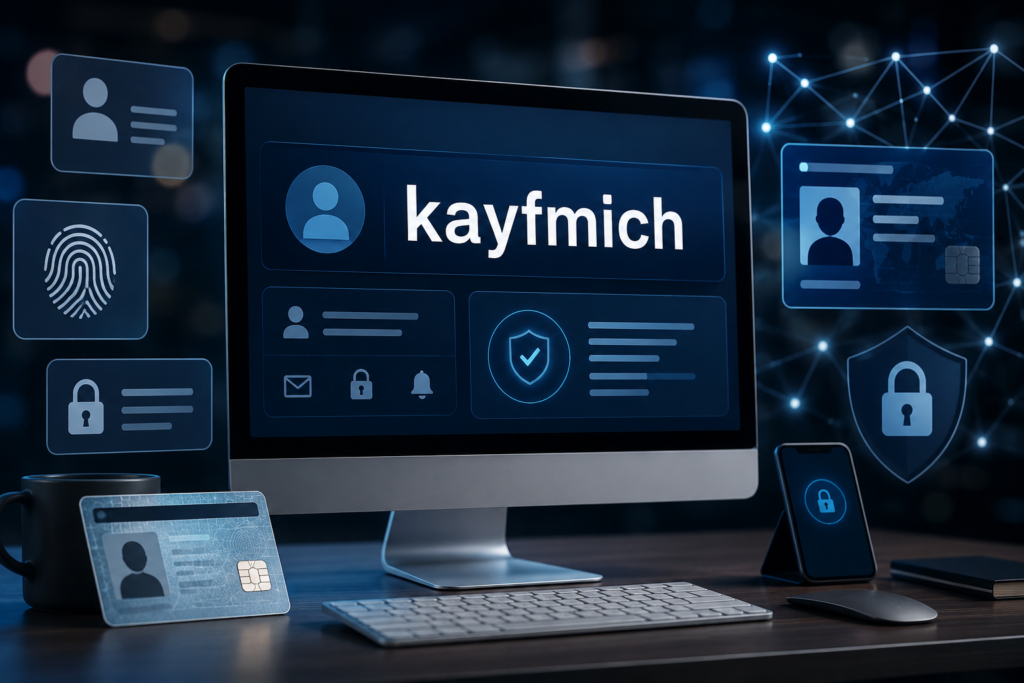
what kayfmich means in the context of digital identity, online presence, personal branding, privacy, and building a trustworthy digital profile. In a world where people communicate, work, shop, create content, and build relationships through digital platforms, an online identity can become almost as recognizable as a traditional name. The term itself does not have one universally established definition, so its meaning can depend on the context in which it appears. When viewed through the lens of digital identity, kayfmich can represent the way a person, creator, brand, or online account establishes recognition across the internet. That makes it an interesting keyword for understanding how identity works in modern digital spaces.
Kayfmich and Digital Identity
Digital identity is more than simply having a username. It can include social media profiles, profile pictures, usernames, public posts, websites, professional accounts, comments, interests, and other information associated with an individual or online persona. A keyword such as kayfmich may therefore become part of a searchable digital footprint. When people encounter a name or username online, they often look for additional information to understand who or what is behind it. This is why consistency matters. A recognizable username, clear profile information, appropriate content, and trustworthy activity can help create a stronger digital presence.
Why Digital Identity Matters
A digital identity matters because the internet has become an important part of everyday life. People often search for individuals, businesses, creators, and usernames before deciding whether they trust them. Employers may review professional profiles, customers may research brands, and online communities may use public activity to understand new members. Your digital identity can influence first impressions before you ever speak directly with someone. In that sense, kayfmich can be understood as an example of how a searchable digital name can become connected with a wider online reputation.
How an Online Identity Is Created
An online identity develops through repeated digital interactions rather than a single profile. Someone might start with a username, create a social account, upload photographs, write comments, join communities, and eventually build a website or professional profile. Over time, these individual pieces can form a recognizable digital footprint. The same principle applies when someone searches for kayfmich and finds multiple references connected to that term. Each relevant result can contribute to how the keyword is understood, which is why maintaining accurate and consistent public information is important.
Kayfmich as an Online Identifier
A username can function almost like a digital label. It gives people a way to recognize an account without requiring a full legal name. This is particularly common among bloggers, gamers, creators, freelancers, entrepreneurs, and social media users. Kayfmich has the characteristics of a distinctive online identifier because it is short, memorable, and different from an ordinary phrase. However, a username alone does not establish the real-world identity of the person behind it. That distinction is important because digital identity should never be confused with assumptions about someone’s private life.
The Difference Between Digital Identity and Personal Identity
Digital identity and personal identity are connected, but they are not exactly the same thing. Personal identity includes the many characteristics that make someone who they are, while digital identity refers specifically to the representation of that person in online environments. A person may present one side of their personality on a professional network and another side on a social platform. Someone associated with kayfmich, for example, could use the term as a username or digital brand without making every aspect of their personal life public. This separation gives people greater control over what they share online.
Building a Strong Digital Presence
Building a strong digital presence starts with clarity. If kayfmich is being used as an online identity, the most useful approach is to keep important public profiles consistent where appropriate. A similar username, recognizable profile image, accurate biography, and clear description can make it easier for people to identify the correct account. Content also matters. Helpful posts, genuine interactions, and responsible online behavior can gradually create a positive reputation. There is no need to publish everything about yourself. A strong digital presence is usually more about being intentional than being everywhere.
Personal Branding and Kayfmich
Personal branding is closely connected to digital identity because it shapes how an individual is perceived online. A memorable name such as kayfmich can become part of that branding when it is consistently used across relevant platforms. Personal branding does not necessarily mean turning yourself into a product. At its simplest, it means making your online presence understandable and recognizable. A creator might use the same username for a website and social accounts, while a professional might connect a personal name with a portfolio. The goal is to create a digital presence that accurately reflects the person or project behind it.
Search Results and Digital Reputation
Search engines play an important role in digital identity because they connect people with publicly available information. When someone searches for a term such as kayfmich, the results they see may influence their understanding of that keyword. This is where digital reputation becomes important. Accurate information, useful content, and legitimate profiles can help establish context, while outdated or unrelated pages can create confusion. Managing a digital reputation does not mean trying to control every search result. Instead, it means creating useful and trustworthy information that gives people a clearer picture of the online identity.
Privacy Should Come First
Creating an online identity should never require giving away unnecessary personal information. Privacy is one of the most important parts of responsible digital identity management. Information such as private addresses, personal phone numbers, passwords, financial details, or sensitive documents should not be publicly shared simply to make an online profile appear more complete. If kayfmich is associated with a personal account, protecting private information should remain a priority. A good digital presence can be recognizable without exposing details that could create security or privacy risks.
Digital Identity and Social Media
Social media is one of the most visible places where digital identity develops. Profiles, usernames, photographs, captions, comments, and interactions all contribute to a person’s online presence. A distinctive term such as kayfmich can help connect different pieces of that presence when the same identifier is used consistently. At the same time, social media activity can remain online for a long time, even after a post is deleted or an account is changed. Thinking before publishing is therefore one of the simplest ways to protect a digital reputation.
Why Consistency Matters Online
Consistency makes an online identity easier to understand. Imagine someone searching for kayfmich and finding several unrelated profiles using different information. It becomes difficult to know which account is authentic. Consistent usernames, profile descriptions, branding elements, and links can reduce that confusion. This does not mean every platform needs to look identical. Instead, the important information should remain accurate enough for visitors to recognize the connection between profiles.
Trust and Authenticity
Trust is one of the strongest elements of a successful digital identity. People are more likely to engage with an online profile when the information feels genuine and reliable. For an identity such as kayfmich, authenticity could come from maintaining accurate profile details, avoiding misleading claims, sharing useful information, and interacting respectfully with others. Trust is built gradually. One polished profile cannot replace months or years of responsible online activity.
Protecting a Digital Identity
Protecting a digital identity requires more than keeping personal information private. Strong passwords, unique login credentials, two-factor authentication, updated software, and careful attention to suspicious messages can reduce the risk of account compromise. If a username such as kayfmich becomes recognizable, protecting the accounts connected with it becomes even more important. Losing control of an established account can affect both reputation and personal security, so basic cybersecurity habits should be treated as part of digital identity management.
Kayfmich and the Idea of a Digital Footprint
A digital footprint is the trail of information a person leaves through online activity. Searches, public profiles, comments, photographs, websites, reviews, and other interactions can all contribute to it. Some parts of a digital footprint are created intentionally, while others may appear through interactions with third-party platforms. Understanding this concept helps explain why a keyword such as kayfmich can become associated with a particular online presence over time. Every public interaction can add another piece to the broader picture that search engines and other users see.
How to Make an Online Profile More Professional
A professional online profile does not need to be complicated. A clear username, concise biography, appropriate profile image, relevant links, and useful content can make a significant difference. If kayfmich is being used for a personal brand, blog, portfolio, or creator profile, the profile should quickly tell visitors what they can expect. Avoiding exaggerated claims is equally important. A simple and honest profile often creates a stronger impression than one filled with unnecessary promotional language.
Digital Identity for Creators and Bloggers
For creators and bloggers, digital identity can become an important part of audience growth. A recognizable username allows readers to remember the person behind the content and find them again on other platforms. If kayfmich represents a creator identity, consistent branding could help connect articles, social profiles, videos, and other published work. Over time, useful content can give the identity more context and authority. The key is to focus on providing genuine value rather than publishing content simply to appear more visible.
Common Mistakes in Digital Identity
One common mistake is sharing too much personal information. Another is using inconsistent usernames or profile details across different platforms, making it difficult for people to identify the authentic account. Many people also forget that old posts can continue to influence their reputation. Impulsive comments, misleading information, fake profiles, and weak account security can all create problems later. Whether the online identifier is kayfmich or something else, digital identity works best when it is managed thoughtfully from the beginning.
How Search Engines Understand Online Identity
Search engines organize information by looking at signals such as relevance, relationships between pages, content quality, and publicly available information. They do not automatically know whether every profile using a particular username belongs to the same person. This is why clear information and consistent identity signals can be useful. A website that explains who is behind kayfmich, for example, could provide more context than an isolated username. However, search visibility should never be treated as proof of someone’s real-world identity.
Is Kayfmich a Person, Brand, or Username?
There is not enough universally established information to say that kayfmich definitely represents one specific person, company, or brand. The term may be used as an online identifier, username, or searchable keyword depending on where it appears. That uncertainty is worth highlighting because responsible digital research requires separating confirmed information from assumptions. A username can provide a starting point for investigation, but it should not be used to make unsupported claims about someone’s identity, location, profession, or private life.
The Future of Digital Identity
Digital identity is becoming increasingly important as more services move online. From professional networking to online shopping and digital communities, people continuously create and manage identities across different platforms. New technologies may make digital credentials, authentication, and identity verification more sophisticated, but the basic principle remains the same: people need control over how they are represented online. A keyword such as kayfmich fits into this wider conversation because distinctive digital identifiers are becoming an ordinary part of how people navigate the internet.
What Kayfmich Teaches Us About Online Identity
The most useful way to understand kayfmich is not to attach unsupported personal information to the keyword, but to consider what a distinctive online identifier represents. It can be a doorway into a broader discussion about usernames, personal branding, online reputation, privacy, cybersecurity, and digital footprints. The internet increasingly asks people to manage both their real-world identity and their digital representation. Doing that well requires a balance between visibility and privacy.
Conclusion
Kayfmich is a distinctive keyword that can be explored through the wider concept of digital identity. While the term itself does not have one universally confirmed meaning, it illustrates how usernames and searchable identifiers can become connected with online profiles, content, reputation, and personal branding. The important lesson is simple: an online identity should be managed with the same care as any other public representation. Keep information accurate, protect private details, secure important accounts, and focus on creating a digital presence that is useful rather than merely visible.
FAQs About Kayfmich
What is kayfmich?
Kayfmich is a distinctive online keyword or identifier whose exact meaning depends on the context where it is used. It can be discussed in relation to digital identity, usernames, online presence, and personal branding.
Is kayfmich a digital identity?
Kayfmich can function as part of a digital identity when it is used as a username, profile name, or online identifier. However, the keyword alone does not establish the real-world identity of the person using it.
Why is digital identity important?
Digital identity matters because online profiles and public activity can influence how people perceive an individual, creator, or brand. A clear and trustworthy digital presence can make online interactions easier and safer.
How can someone protect their digital identity?
Use strong and unique passwords, enable two-factor authentication, avoid sharing sensitive personal information, review privacy settings, and be careful with suspicious links, messages, and unfamiliar websites.
Can a username reveal someone’s real identity?
Not necessarily. A username may be connected to a public profile, but it should not be treated as proof of someone’s real name, location, profession, or other personal information without reliable evidence.




One thought on “Kayfmich and The Rise of Modern Digital Identity”