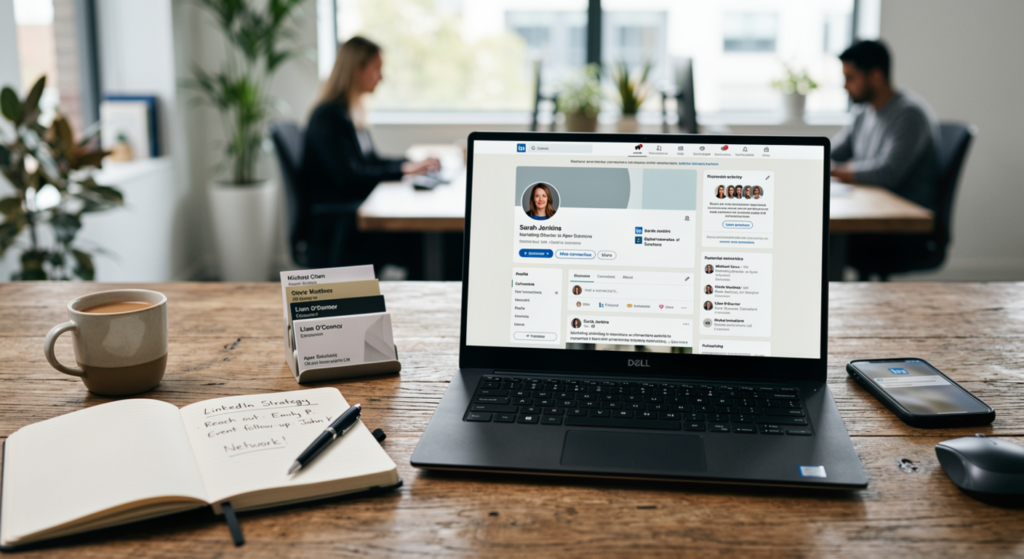
Learn what buying LinkedIn connections means, the risks involved, LinkedIn rules, and practical ways to build a genuine professional network. Buy LinkedIn connections generally refers to paying an outside service to increase the number of first-degree connections associated with a LinkedIn profile. Depending on the provider, the offer might involve connection requests from real-looking profiles, automated outreach, or other methods designed to increase a visible connection count.
The important point is that a purchased number does not automatically represent a meaningful professional relationship. A connection becomes valuable when there is a genuine reason for the two people to know each other, communicate, collaborate, or exchange useful information.
LinkedIn itself says that sending an invitation creates a first-degree connection after the recipient accepts, and recommends connecting for clear professional reasons such as having worked or studied together, meeting at an event, or continuing a relevant conversation.
Why Do People Want to Buy LinkedIn Connections?
The main reason is usually social proof. Someone looking at a profile with a large network may assume that the person is well connected or active in their industry. For freelancers, job seekers, consultants, founders, recruiters, and sales professionals, that perception can seem attractive.
Another reason is speed. Building a professional network organically takes time. You need to find relevant people, interact with their content, attend industry events, send thoughtful invitations, and maintain relationships. Buying connections appears to offer a shortcut.
There is also a common belief that having more connections automatically creates more opportunities. In reality, the usefulness of a network depends heavily on its relevance and the relationships behind it.
Are Purchased LinkedIn Connections Real?
That depends entirely on the service being offered, and the phrase “real connections” can be misleading. A provider may describe accounts as real because they belong to existing LinkedIn profiles, but that does not mean those people genuinely know you or have a professional reason to connect with you.
A connection can therefore be technically real while still being practically useless. If the person never reads your posts, responds to your messages, recommends you, refers opportunities, or engages with your work, the larger number may not provide much professional value.
There is another concern when services rely on fake profiles, automated activity, or unauthorized tools. LinkedIn explicitly prohibits fake accounts and unauthorized automated methods for adding contacts or creating inauthentic engagement.
Is Buying LinkedIn Connections Allowed?
LinkedIn’s current User Agreement prohibits creating false identities and using bots or other unauthorized automated methods to add or download contacts, send messages, or drive inauthentic engagement. LinkedIn also says its platform is built around trusted professional relationships.
That means users should be particularly careful with services promising automated connection growth. A provider claiming it can rapidly add hundreds or thousands of connections through automation is offering something that can conflict with LinkedIn’s rules.
The issue is not simply whether a service delivers a higher number. The method used to produce that number matters.
Can Buying Connections Get Your LinkedIn Account Restricted?
It can create account-safety concerns, particularly when the activity involves excessive invitations, unwanted requests, fake accounts, or prohibited automation. LinkedIn says accounts can be temporarily restricted when invitation activity appears problematic, including sending many invitations in a short period or receiving significant numbers of ignored, pending, or spam-marked invitations.
LinkedIn also maintains invitation limits to protect the member experience and encourage relevant networking. If a member reaches an invitation limit, LinkedIn says the account may be temporarily restricted from sending additional invitations.
For someone who depends on LinkedIn for employment, clients, recruiting, sales, or professional visibility, putting the account at unnecessary risk can outweigh the short-term appeal of a bigger number.
Does a Bigger LinkedIn Network Mean More Opportunities?
Not necessarily. A larger network can increase the number of people you can potentially communicate with, but the quality and relevance of those relationships matter.
Imagine two professionals. One has 5,000 connections but rarely receives meaningful replies, referrals, or conversations. Another has 800 connections concentrated in the person’s industry and regularly communicates with clients, colleagues, recruiters, and other professionals.
The second network may be more useful for actual professional purposes even though its visible number is smaller.
LinkedIn itself describes networking as a way to stay connected with colleagues, alumni, recruiters, and other professionals while discovering career opportunities and industry information.
The Difference Between Connections and Followers
This distinction is easy to overlook. A LinkedIn connection is a two-way professional relationship: when an invitation is accepted, both members become first-degree connections and can generally message each other directly.
A follower, on the other hand, can see a person’s public posts without becoming part of that person’s first-degree network. LinkedIn describes following as a way to keep up with someone’s content, while connecting creates a two-way relationship.
For creators and industry experts, having relevant followers can therefore be useful even when those people are not direct connections.
How Many LinkedIn Connections Can You Have?
LinkedIn currently states that members can have up to 30,000 first-degree connections.
That number can make large-network services sound appealing, but reaching the platform’s maximum is rarely the actual goal for someone building a professional presence. A smaller network made up of people connected to your field, skills, clients, interests, or career direction can be much more useful.
The goal should be to build the right network rather than simply chase a large number.
Better Ways to Grow Your LinkedIn Network
Organic networking does not have to mean randomly sending connection requests all day. Start with people you already have a professional connection with, including former classmates, colleagues, clients, mentors, event contacts, and people working in your industry.
LinkedIn recommends connecting with people you know and trust and suggests using relevant professional reasons when reaching out.
You can also use LinkedIn’s People You May Know suggestions to discover potentially relevant contacts. When you don’t know someone personally, LinkedIn recommends options such as InMail for contacting people outside your existing network.
Personalize Your Connection Requests
A short, relevant message can make a connection request feel much more natural. Instead of sending a generic invitation, explain why you want to connect.
For example, if you recently read someone’s article about digital marketing, you could mention that specific topic. If you attended the same industry event, mention the event. If you share a professional interest, explain that connection briefly.
LinkedIn says personalized invitations can help recipients understand who you are and why you’re reaching out.
The message doesn’t need to be long. In fact, a simple and specific note often feels more genuine than a sales pitch.
Improve Your LinkedIn Profile First
Before trying to increase your connection count, make sure your profile gives people a reason to connect with you. Use a clear profile photo, write a specific headline, explain what you do, and make your experience easy to understand.
Your profile should answer a basic question quickly: Why would this person want me in their professional network?
If you’re a freelance writer, for example, your profile could clearly communicate your writing specialties, industries, experience, and the type of work you handle. If you’re a student, highlighting your field of study, projects, interests, and professional goals can give other members a reason to connect.
A stronger profile can make genuine outreach much easier.
Share Useful Content
Content can help turn your profile from a static online résumé into an active professional presence. You don’t need to publish something every day.
Share useful observations from your industry, explain something you’ve learned, discuss a project, comment thoughtfully on professional developments, or create practical posts around your expertise.
The aim isn’t to manufacture engagement. It’s to give people something useful to respond to.
Over time, this can make connection requests feel more natural because people can see what you know and what topics you care about.
Avoid Mass Connection Automation
Automation may sound attractive because it promises scale. Instead of manually researching people, a tool can potentially send large numbers of requests or messages.
The problem is that LinkedIn explicitly prohibits unauthorized automated methods for adding contacts, sending messages, and generating inauthentic engagement.
LinkedIn also says excessive invitations and suspected automation can contribute to restrictions.
For that reason, building a network through genuine interactions is considerably easier to manage than relying on questionable automation services.
What About Buying LinkedIn Connections for Business?
Businesses may be tempted to purchase connections when launching a new LinkedIn profile, promoting a service, or trying to appear established. But a business network needs more than a large visible number.
Suppose a marketing agency buys a large batch of unrelated connections. Those people may have no interest in marketing, no need for the agency’s services, and no reason to interact with its content.
Now compare that with a smaller network of business owners, marketing professionals, founders, and potential partners who actually understand the agency’s work. The second group creates opportunities for conversations that can lead somewhere.
That is the practical difference between network size and network value.
Can You Build a Large LinkedIn Network Without Buying Connections?
Yes. It simply takes a more deliberate approach.
Start by identifying the professional groups that matter to you. Then connect with relevant people gradually, participate in conversations, attend online or offline industry events, and follow people whose work genuinely interests you.
LinkedIn provides several ways to build a network, including connection invitations, suggestions, and interactions with people in your professional community.
Consistency matters more than trying to create a huge network overnight.
What Should You Look for in a LinkedIn Connection?
A useful connection usually has some form of professional relevance. That might be a shared industry, previous workplace, educational background, common professional interest, event, project, or genuine interest in each other’s work.
It doesn’t mean every connection has to become a close business relationship. Professional networks naturally contain different levels of familiarity.
The key is that there should be a reasonable connection between the people involved rather than an artificial number added simply to make a profile look bigger.
Is It Better to Have 500 Relevant Connections or 5,000 Random Ones?
The answer depends on what you’re trying to accomplish, but the numbers alone don’t tell you which network will be more useful. A relevant network can make it easier to exchange industry knowledge, discover opportunities, communicate with potential collaborators, and maintain professional relationships.
LinkedIn itself emphasizes quality and relevance in its networking guidance and recommends sending thoughtful invitations rather than indiscriminately contacting people.
So when evaluating your own network, look beyond the connection counter. Ask whether the people you’re connected to are actually relevant to your professional goals.
Conclusion
The phrase buy LinkedIn connections may sound like an easy shortcut to a larger professional network, but the number displayed on a profile doesn’t tell the whole story. Purchased connections may not create meaningful relationships, and services involving fake accounts or unauthorized automation can conflict with LinkedIn’s rules.
A stronger approach is to improve your profile, publish useful content, participate in relevant conversations, and send thoughtful invitations to people who have a genuine professional reason to connect with you.
A network should ultimately be useful, not merely large.
FAQs About Buy LinkedIn Connections
Is it safe to buy LinkedIn connections?
Buying connections can carry risks depending on how the service operates. Services involving fake accounts, fake engagement, or unauthorized automation can conflict with LinkedIn’s rules, so users should carefully consider how a provider actually delivers its connections.
Does LinkedIn allow fake connections?
LinkedIn prohibits false identities, fake accounts, fake engagement, and unauthorized automated methods used to add contacts or manipulate activity on the platform.
How many LinkedIn connections can I have?
LinkedIn currently allows members to have up to 30,000 first-degree connections.
How can I grow LinkedIn connections naturally?
Start with people you know professionally, including colleagues, classmates, clients, mentors, and industry contacts. You can also use LinkedIn’s suggestions and participate in relevant professional conversations.
Can LinkedIn restrict connection requests?
Yes. LinkedIn may temporarily restrict invitation activity when members send too many requests, receive many unwanted or ignored invitations, or when the platform suspects prohibited automation.
Read also: Buy Spotify Monthly Listeners Risks and Better Options

One thought on “Buy LinkedIn Connections A Complete Guide”